Lantern Festival – 15th Day of the First Lunar Month
Lantern Festival:This is like the “after-party” of Spring Festival—because one week of eating and celebrating just isn’t enough, and we need one last hurrah before getting back to work or school. Imagine a night where every street, park, and square is lined with thousands of colorful lanterns—shapes like rabbits, dragons, pandas, flowers, and even cartoon characters (yes, you’ll see Mickey Mouse lanterns too). The whole city glows, and everyone is walking around, munching on sweet treats, laughing, and taking photos. It’s basically China’s version of a carnival, but with more glow, less cotton candy (sorry, cotton candy lovers), and way more puzzles. The Lantern Festival marks the end of the Spring Festival celebrations, and it’s all about light—light to chase away darkness, light to welcome good luck, and light to bring people together. Now, let’s talk about its origin, because this holiday has a history as bright as its lanterns. The Lantern Festival dates back to the Han Dynasty (over 2,000 years ago), and it started with a royal tradition. Emperor Wu of Han was a devout Taoist, and he believed that lighting lanterns on the 15th day of the first lunar month would honor the Heavenly God and bring good fortune to the empire. He ordered the palace to be decorated with lanterns, and he held a grand feast for his officials and nobles. Over time, this tradition spread to the common people—everyone started lighting lanterns in their homes and on the streets, and it became a national holiday. But there’s another, more romantic origin story that’s even more fun. Legend says that during the Eastern Han Dynasty, a Taoist monk named Zhang Daoling discovered that a demon was terrorizing a village on the 15th day of the first lunar month. The demon would make people sick, especially children, and the villagers were desperate. Zhang Daoling told them to light lanterns, set off firecrackers, and wear red sashes around their waists—all things that would scare away the demon. The villagers did as he said, and the demon never returned. To celebrate their survival, they lit lanterns every year on that day, and the tradition stuck. Another version of the story involves a maid named Yuanxiao, who worked in the palace and missed her family terribly. She was so sad that she decided to kill herself by jumping into a well, but a Taoist monk stopped her. He told the emperor that the Heavenly God would burn down the palace on the 15th day of the first lunar month, unless the emperor ordered everyone to light lanterns, cook glutinous rice balls (tangyuan), and pretend the palace was on fire (tricking the Heavenly God). The emperor agreed, and while everyone was lighting lanterns and eating tangyuan, Yuanxiao was able to sneak out and reunite with her family. That’s why tangyuan is such an important part of the Lantern Festival— it’s a symbol of reunion and hope. To put it in American terms, the Lantern Festival is like if your Fourth of July and Halloween had a baby: lots of lights (like fireworks), costumes (some people dress up in traditional clothes), and treats (tangyuan instead of candy). It’s a night of fun, magic, and togetherness—no work, no school, just pure joy. Unlike Spring Festival, which is more about family gatherings inside, the Lantern Festival is all about going outside, exploring, and enjoying the night. You’ll see couples holding hands, kids running around with lanterns, and families walking together, admiring the beautiful decorations. It’s a time when the whole city comes alive, and everyone is in a good mood—because who can be sad when surrounded by thousands of glowing lanterns?
Key traditions: The star of the show is solving “lantern riddles” (called dengmi)—little puzzles or puns written on small pieces of paper and attached to the lanterns. They’re usually tricky but fun, and if you get one right, you might win a small prize (like candy, a keychain, or even another small lantern). It’s like a scavenger hunt for your brain! Imagine walking down a street lined with lanterns, stopping at each one to read the riddle, and trying to figure it out—if you’re good at word games, you’ll be a hero. If not, you’ll be like me, standing there for 10 minutes staring at a riddle that says “What has four legs but can’t walk?” (Hint: it’s a table) and feeling very confused. Kids love this tradition because it’s like a game, and winning a prize makes it even better. Adults join in too—there’s something fun about competing with your friends to solve the most riddles (bragging rights are everything, right?). Another big tradition: making and carrying your own lantern. Kids love making their own simple paper lanterns—some are just a paper bag with a candle inside, others are fancy ones with paint or stickers—and parading them around the neighborhood with their friends. It’s like trick-or-treating, but instead of asking for candy, you’re showing off your lantern. Some kids even make lanterns shaped like their favorite cartoon characters, and you’ll see little Mickey Mouse and Elsa lanterns glowing in the night. Adults usually buy more elaborate lanterns—some are made of silk, with beautiful paintings of dragons or flowers, and others are even electronic, with lights that flash. Carrying a lantern is a way to bring light into your life, and it’s believed that the brighter your lantern, the more good luck you’ll have. In some cities, there are big lantern parades with giant lanterns (some as tall as a house!) shaped like dragons or phoenixes. These lanterns are made by skilled craftsmen, and they take months to create. The parade is led by drummers and dancers in traditional clothes, and everyone lines the streets to watch. It’s like a Thanksgiving parade, but with more glow and less balloons (sorry, Snoopy). Some parades even have lion dances—people dress up in giant lion costumes and dance to the beat of the drums, which is supposed to bring good luck. It’s loud, it’s exciting, and it’s impossible not to smile. Another fun tradition: flying sky lanterns (paper lanterns with a candle inside that float up into the sky). It’s magical to watch hundreds of them rise into the night, and people make wishes as they let them go—kind of like your birthday candles, but bigger and more dramatic. Imagine holding a lantern, closing your eyes, making a wish (maybe “I wish I could skip work tomorrow” or “I wish I could eat tangyuan every day”), and then letting it float up into the stars. It’s a beautiful moment, and it’s something you’ll never forget. Just be careful—some cities ban sky lanterns because they can start fires (oops, safety first!). If you can’t fly sky lanterns, you can float small lanterns on a river instead—they look just as beautiful, and they’re safer. Another tradition: guessing zodiac lanterns. Every year is a different zodiac animal (2026 is the Year of the Horse, for example), and you’ll see lots of lanterns shaped like that animal. Kids love trying to find all the horse lanterns (or whatever animal it is) and counting them—whoever finds the most wins a prize (more candy, obviously). And let’s not forget the traditional clothes—many people wear hanfu (traditional Chinese clothes) to the Lantern Festival. Hanfu is beautiful, with flowing sleeves and bright colors, and it makes the night even more magical. You’ll see couples wearing matching hanfu, families dressed in coordinating outfits, and even kids in tiny hanfu—they look like little princesses and princes. It’s a way to honor our culture and look good while doing it (win-win).
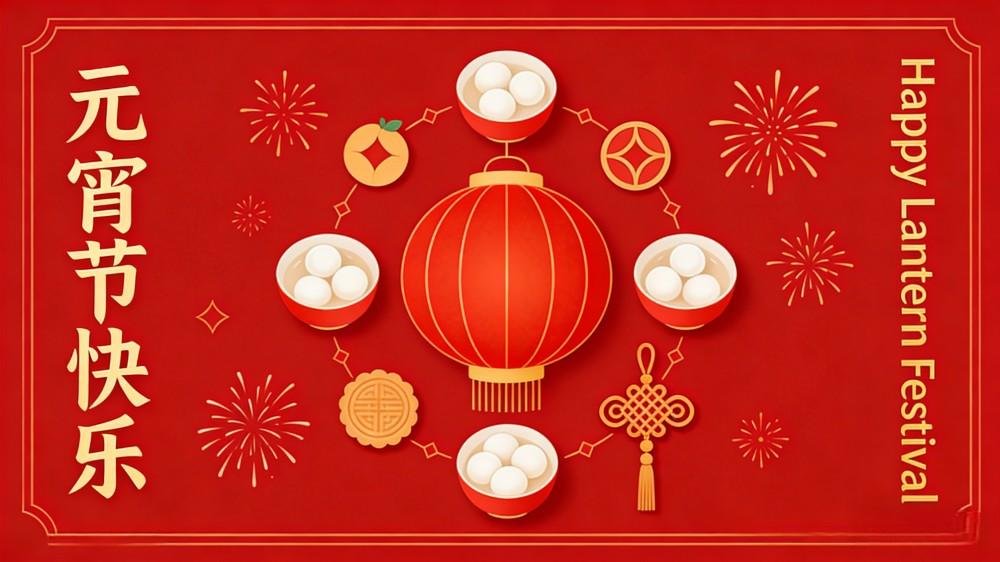
Food you need to try: Glutinous rice balls (tangyuan) are the must-eat food here—they’re soft, chewy balls made of glutinous rice flour, boiled in sweet soup, and filled with sweet red bean paste, sesame paste, or even peanut butter (yes, modern twists exist!). They’re round, just like the full moon on the Lantern Festival night, and they symbolize family reunion (we really love our reunion themes—can you blame us?). To put it in American terms, tangyuan is like China’s version of mochi, but softer, sweeter, and more festive. Some families make tangyuan together on the afternoon of the festival—it’s a fun activity for kids and adults, even if your tangyuan turn out lumpy or misshapen (mine always do, and they still taste good!). Making tangyuan is easy: you mix glutinous rice flour with water to make a dough, roll it into small balls, and then fill them with your favorite filling. Kids love rolling the dough and squishing it into shapes (even if they don’t look like balls), and adults love teaching them the traditional way. It’s a great way to bond with your family, and it makes the tangyuan taste even better because you made them yourself. In some parts of China, they also eat savory tangyuan filled with meat or vegetables, but sweet is the classic. If you’re not a fan of sweet food, savory tangyuan is a great option—they’re filled with pork and mushrooms, boiled in a savory broth, and they taste like a little dumpling soup. Pro tip: Don’t eat too many tangyuan at once—they’re very filling, and the glutinous rice can be hard to digest (you’ll regret it later if you eat a whole bowl). Another popular food during the Lantern Festival is yuanxiao, which is similar to tangyuan but a little different. Yuanxiao is made by rolling glutinous rice flour around a filling (instead of wrapping the dough around the filling), so it’s more round and has a slightly different texture. It’s like the difference between a chocolate chip cookie and a chocolate chip muffin—similar, but not the same. Yuanxiao is more popular in northern China, while tangyuan is more popular in southern China. Either way, they’re both delicious, and you can’t go wrong with either. If you’re in northern China, you’ll probably eat yuanxiao, and if you’re in southern China, you’ll eat tangyuan—either way, you’re getting a tasty treat that’s full of good luck. We also eat a variety of sweet snacks during the Lantern Festival, like sugar-fried chestnuts, candied hawthorns, and sesame candy. Sugar-fried chestnuts are warm, sweet, and crunchy—they’re perfect for eating while walking around and looking at lanterns. Candied hawthorns are like Chinese candy apples—hawthorn berries coated in sugar, on a stick. They’re sweet and sour, and they’re a favorite among kids. Sesame candy is made with sesame seeds and sugar, and it’s crispy and sweet—perfect for snacking on. These snacks are sold on every street corner during the Lantern Festival, and they’re a great way to keep your energy up while you’re out and about. You’ll see vendors selling them from little carts, and the smell of sugar-fried chestnuts will fill the air—it’s a smell that reminds every Chinese person of the Lantern Festival. We also drink hot drinks like jasmine tea or chrysanthemum tea to warm up—since the Lantern Festival is in February (usually cold), a hot drink is perfect. Jasmine tea is fragrant and sweet, and it goes great with tangyuan. Chrysanthemum tea is calming and refreshing, and it’s a great way to balance out all the sweet snacks. It’s the perfect combination: warm tea, sweet snacks, and beautiful lanterns—what more could you ask for? And let’s not forget the fruit—we eat oranges, tangerines, and pomelos during the Lantern Festival. Oranges and tangerines symbolize good luck, and pomelos symbolize prosperity. They’re a nice break from all the sweet snacks, and they’re healthy too (kind of). Eating fruit is a way to balance out all the sugar, and it’s a reminder that even during holidays, we should try to be healthy (even if we don’t always succeed). The Lantern Festival is all about good food, good company, and good luck—so grab a bowl of tangyuan, a cup of tea, and enjoy the beautiful night.