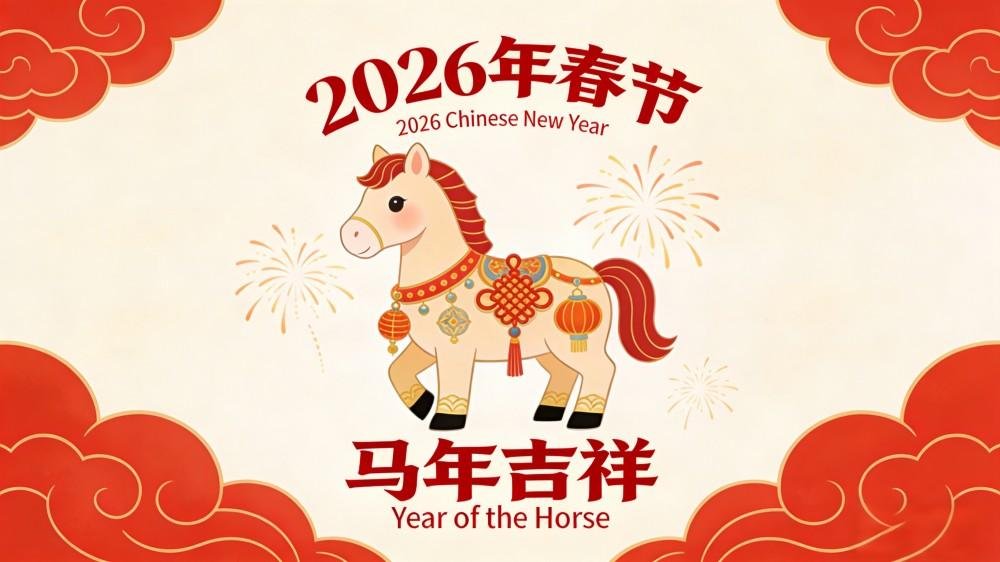
Spring Festival (Chinese New Year) – Lunar New Year’s Day
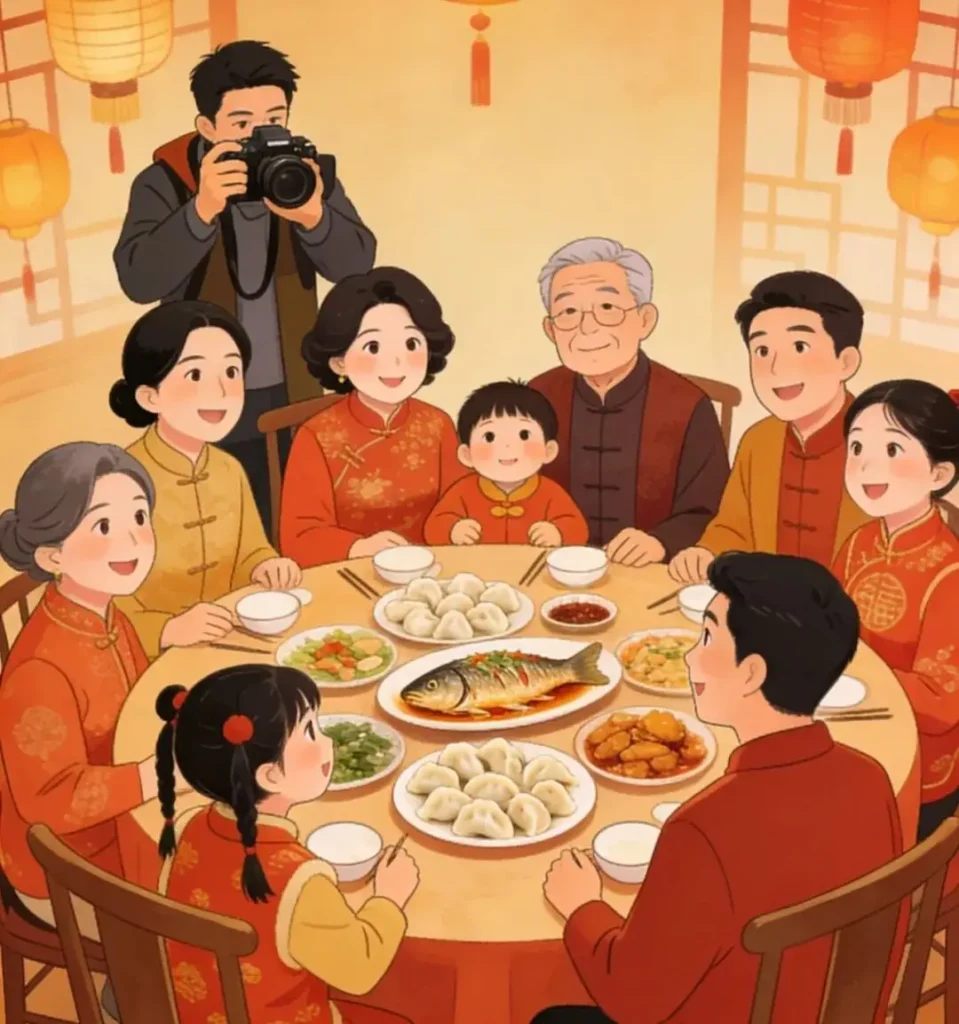
Chinese New Year:Think of this as China’s Christmas + Thanksgiving + New Year’s Eve, all rolled into one—except way more colorful, with better snacks, and zero awkward small talk with distant relatives (okay, maybe a little, but the food makes up for it). It’s the biggest, most important holiday of the year in China—so big that the week before, millions of people travel across the country to get home, a phenomenon called “Chunyun” (Spring Migration) that’s basically the world’s largest annual human movement. The main goal is simple: get every family member under one roof (yes, even that cousin you haven’t spoken to in 5 years, and even your weird uncle who only talks about his pet goldfish) and eat until you can’t move. It’s all about saying goodbye to the old year and welcoming the new one with good luck, happiness, and a full belly.
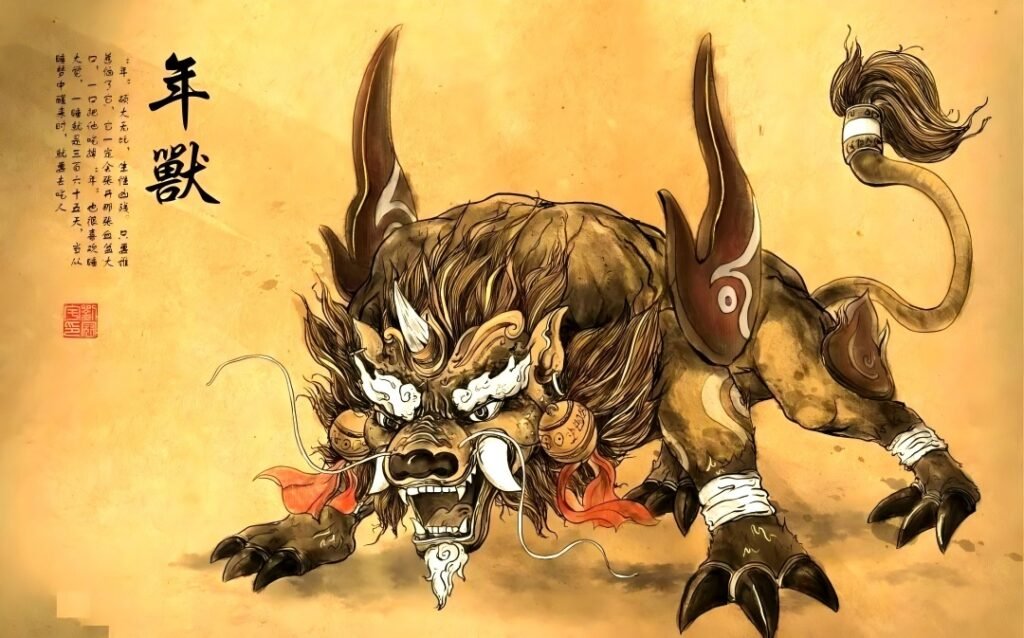
Key traditions: First, we do a big house cleaning a few days before—we call it “sweeping away bad luck,” which is like your spring cleaning but with a lucky twist (no more hiding dust bunnies and calling it “decor”). Then, we decorate every corner of the house with red paper cutouts (usually of dragons, phoenixes, or Chinese characters that mean “good luck” or “prosperity”)—red is the lucky color in China, just like how you use green for Christmas or red for Valentine’s Day. We also paste red couplets (poetic phrases written on red paper) on the front door, kind of like your holiday wreaths but with more words and more luck. On New Year’s Eve, everyone wears new red clothes (new clothes = new beginnings!), and adults give “lucky money” in red envelopes (called hongbao) to kids and unmarried young adults. Kids go crazy for this—they basically get paid to be polite to their elders (say “Happy New Year, Grandma!” and boom, you get a hongbao). Oh, and we set off fireworks (or loud firecrackers) at midnight to scare away a mythical monster named “Nian” (don’t worry, he’s not real… probably). Legend says Nian was a scary beast that came out every New Year’s Eve to eat people, but he was afraid of red, loud noises, and fire—so we use all three to keep him away. Nowadays, many cities limit fireworks for safety, but we still do small ones or watch firework shows on TV.
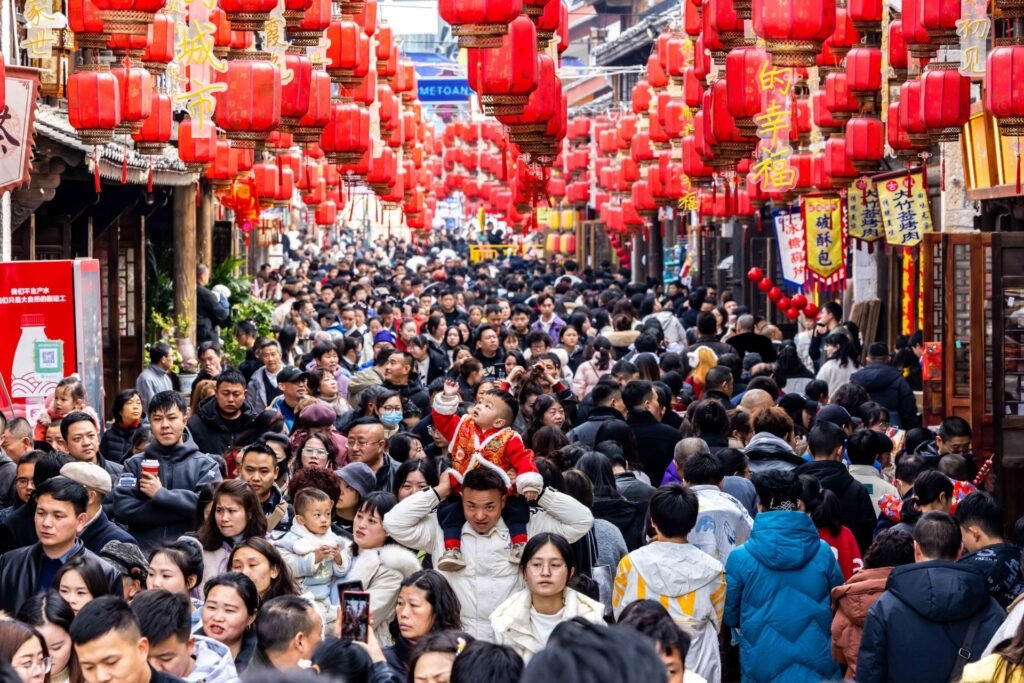
Chinese New Year
Food you need to try: Dumplings are non-negotiable—they look like ancient Chinese gold ingots, so eating them means you’ll get rich in the new year (we’re all about that subtle luck). We usually fill them with pork and cabbage, but you can also find vegetarian ones with mushrooms and tofu. Pro tip: If you’re lucky, one dumpling will have a coin hidden inside—whoever finds it gets extra good luck (and maybe a little bragging rights). Then there’s fish—we always have a whole fish on the table, but we never eat the last bite. Why? Because the Chinese word for fish (“yu”) sounds exactly like the word for “surplus,” so leaving a little fish means we’ll have “surplus luck and money” in the new year. We also eat sweet rice cake (niangao), which is chewy and sweet—its name sounds like “getting higher year by year,” so it’s for good fortune in work, school, or whatever you care about.
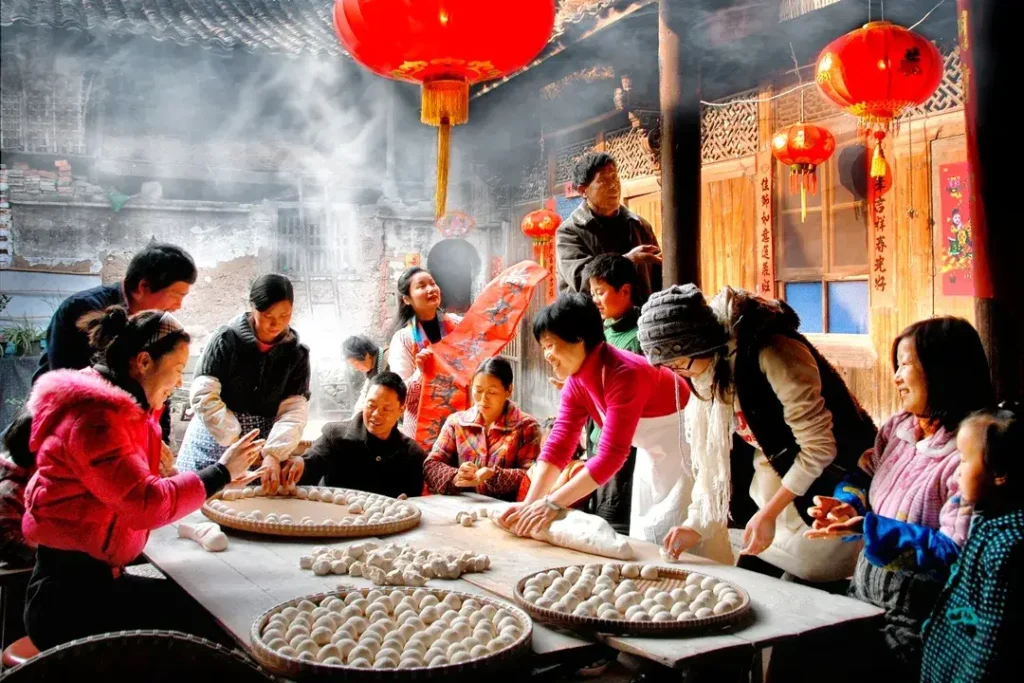
Spring Festival-Chinese New Year